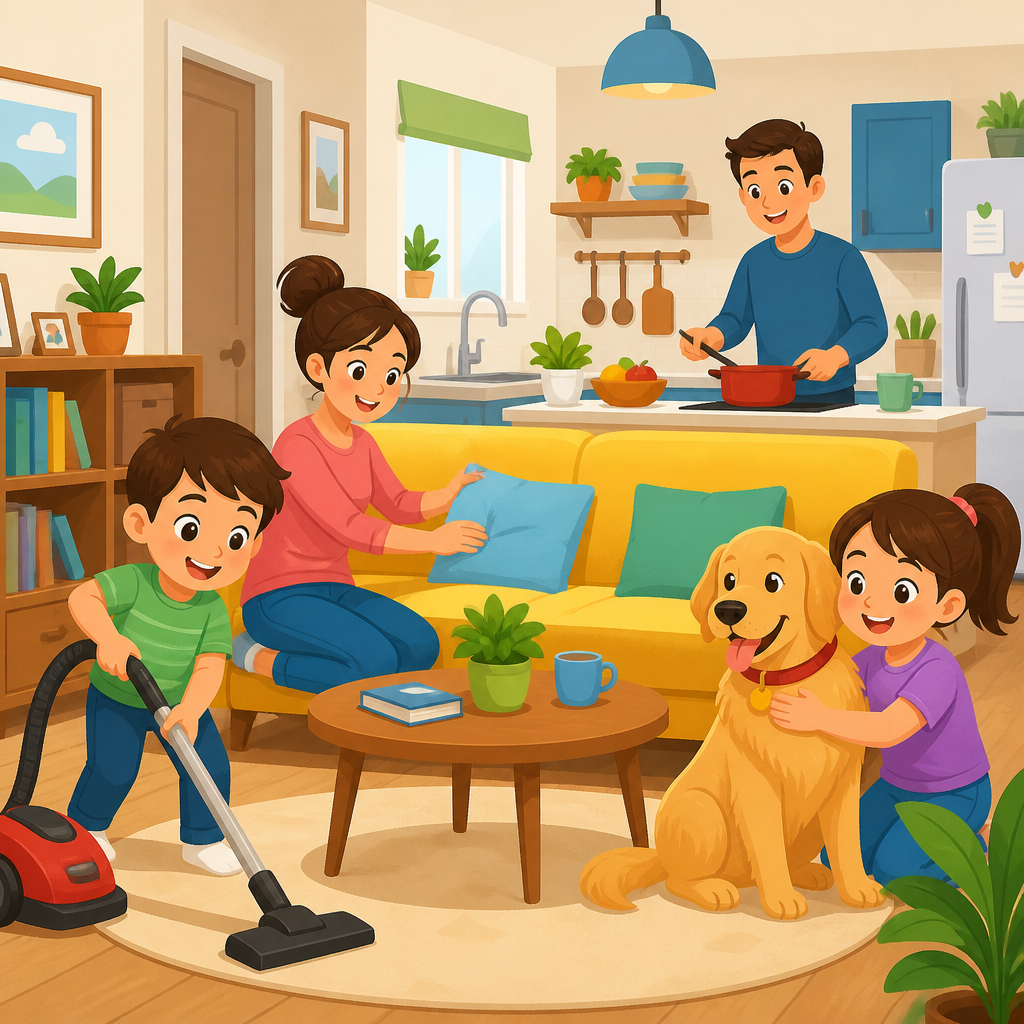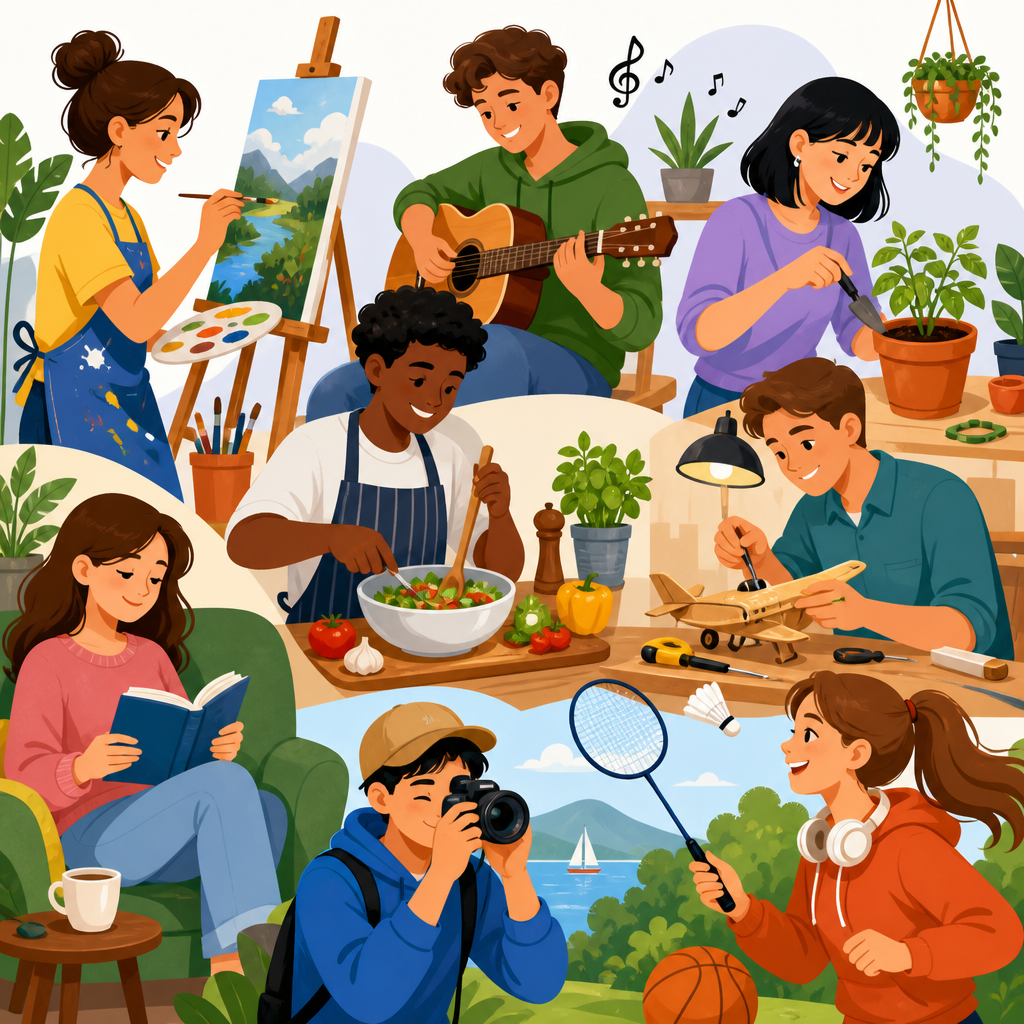
English vocabulary for talking about hobbies helps learners describe how they spend free time, connect with other people, and understand everyday conversations. In ESL classes, I have seen this topic unlock real participation because hobbies are personal, memorable, and easy to discuss. A hobby is an activity done regularly for enjoyment rather than work, while leisure time means the part of the day not used for school, employment, or essential chores. Daily life vocabulary includes the words people use to talk about routines, interests, household tasks, social plans, shopping, transport, meals, and relaxation. Within that wider topic, hobby language is one of the most practical areas because it appears in introductions, small talk, online profiles, workplace chats, and travel situations.
For learners, the challenge is not just knowing single words like reading, cooking, or cycling. The real goal is learning how to talk naturally about frequency, skill level, equipment, preferences, and reasons. Native speakers rarely stop at naming the hobby. They say things like I go hiking twice a month, I’m into photography, I’ve recently taken up knitting, or I’m trying to get better at chess. Those patterns matter because they turn isolated vocabulary into useful communication. They also support broader daily life conversations, such as discussing weekend plans, family habits, health routines, budgets, and social activities.
This hub article covers the core vocabulary, grammar patterns, and common collocations learners need to speak clearly about hobbies. It also connects hobby language to the larger Daily Life Vocabulary area, which includes talking about routines, home life, entertainment, fitness, technology use, and community activities. If a learner can describe what they do for fun, when they do it, who they do it with, how much it costs, and why they enjoy it, they gain a versatile set of words that transfers into many real situations. That is why hobby vocabulary deserves focused study inside any serious ESL vocabulary building plan.
Core vocabulary for common hobbies
The most useful starting point is grouping hobbies by type. Creative hobbies include drawing, painting, knitting, sewing, baking, crafting, woodworking, and photography. Physical hobbies include running, swimming, yoga, hiking, dancing, skating, cycling, and martial arts. Home-based hobbies include gardening, reading, cooking, watching documentaries, doing puzzles, and playing board games. Social or performance hobbies include singing in a choir, acting, gaming with friends, joining a book club, and volunteering. Collecting hobbies include collecting stamps, coins, vinyl records, postcards, action figures, or antiques.
Learners should notice that some hobbies use a simple verb, such as read, cook, bake, sew, paint, garden, hike, or swim. Others often appear in set phrases: play chess, play the guitar, do yoga, do pottery, go fishing, go camping, and take photos. These combinations are not random. English depends heavily on collocations, and incorrect combinations can sound unnatural even when the meaning is clear. For example, native speakers usually say do puzzles rather than make puzzles, and go jogging rather than do jogging.
Level of interest also matters. I teach students to separate love, like, enjoy, prefer, and be interested in. Someone can say I love baking, I enjoy sketching, I prefer indoor hobbies, or I’m interested in birdwatching. Informal spoken English often uses be into, as in I’m really into video editing or My brother is into rock climbing. Another helpful phrase is take up, which means start a new hobby. During the pandemic, many adults took up gardening, sourdough baking, and home workouts, which made these phrases common in news reports and everyday speech.
Natural sentence patterns for speaking and writing
To talk about hobbies naturally, learners need complete patterns, not just vocabulary lists. The most common structure is subject plus verb plus hobby: I play tennis, She collects postcards, We go camping in summer. Frequency adverbs and time expressions make answers more informative: I usually read before bed, He plays basketball every Friday, They go hiking once a month. This kind of detail is expected in conversation because it answers the follow-up question automatically.
Useful patterns include I spend my free time plus verb-ing, My favorite hobby is plus noun or verb-ing, I started plus hobby when, and I like plus hobby because. Examples are I spend my free time drawing character designs, My favorite hobby is gardening, I started knitting in college, and I like swimming because it clears my mind. For advanced learners, present perfect adds life experience: I’ve played the violin for ten years, I’ve recently gotten into birdwatching, and I’ve never tried pottery but I’d like to.
There is also a meaningful difference between play, do, and go. We usually play sports with rules or instruments: play football, play chess, play the piano. We often use do for solo activities, exercises, or general tasks: do yoga, do karate, do crafts. We typically use go plus -ing for outdoor or movement-based activities: go hiking, go cycling, go skiing. These are broad patterns, not perfect rules, but they are reliable enough for daily communication and frequently tested in ESL materials.
Useful collocations and everyday expressions
Fluent speakers rely on collocations when describing hobbies. Instead of saying camera things, they say camera gear, editing software, or a photo walk. Instead of saying cooking tools, they often say kitchen equipment, baking tins, sharp knives, or measuring cups. With reading, common phrases include finish a novel, browse a bookstore, join a book club, and read for pleasure. With music, learners hear practice scales, write songs, perform live, and jam with friends. Memorizing these word partnerships gives speech a natural rhythm and improves listening comprehension.
Several expressions are especially common in conversation. To unwind means relax after work or study. To kill time means pass time while waiting. To stay active often refers to physical hobbies like swimming or cycling. To challenge yourself can describe learning chess, coding, or a musical instrument. To be a beginner, intermediate, or advanced hobbyist helps explain skill level. People also say I’m rusty if they have not done the hobby recently, and I’m out of practice if their ability has weakened.
Cost and commitment are common topics, so learners need related language too. A hobby can be affordable, low-cost, time-consuming, budget-friendly, or equipment-heavy. Photography can be expensive because lenses, tripods, and editing software add up. Running is often more accessible, although quality shoes still matter for injury prevention. Gardening may start cheaply with herbs in pots but become costly if someone invests in raised beds, irrigation, or specialized tools. These descriptive terms connect hobby vocabulary with broader daily life topics like money, planning, and household decisions.
How hobbies connect to daily life vocabulary
Hobby language sits at the center of daily life vocabulary because it connects directly to routines, schedules, places, relationships, and health. When someone says I go to the gym after work, the sentence includes time, location, routine, and purpose. When another person says We do jigsaw puzzles on rainy weekends, that single hobby links weather, family life, and home activities. This is why hobby vocabulary works well as a hub within Daily Life Vocabulary: it naturally branches into multiple high-frequency topics that learners need every day.
For example, hobbies often involve household vocabulary. A person who bakes talks about the oven, mixing bowl, recipe, ingredients, and cleanup. A gardener uses words such as soil, seeds, watering can, balcony, gloves, and compost. A gamer might discuss a headset, keyboard, screen time, internet connection, and streaming. A cyclist may mention traffic, bike lanes, helmets, maintenance, and commuting. These links make hobby study efficient because one conversation reinforces several practical word sets at once.
Hobbies also connect to social vocabulary. Learners frequently need phrases for invitations and arrangements: Do you want to join us, Are you free this weekend, Let’s meet at the park, I signed up for a class, and We’re part of a local club. In my teaching experience, hobby discussions often generate the most authentic pair work because students move quickly from naming activities to comparing lifestyles, making plans, and telling personal stories. That shift from vocabulary recall to real communication is exactly what strong daily life language development should produce.
Common hobbies and the language they require
| Hobby | Key vocabulary | Useful sentence frame |
|---|---|---|
| Reading | novel, author, genre, library, bookmark | I usually read before bed because it helps me relax. |
| Cooking | recipe, ingredients, chop, boil, pan | I like trying new recipes on weekends. |
| Gardening | soil, seeds, pot, water, harvest | I grow herbs on my balcony and use them in meals. |
| Cycling | helmet, route, brakes, uphill, commute | I cycle to work twice a week when the weather is good. |
| Photography | lens, lighting, portrait, edit, tripod | I enjoy taking street photos and editing them later. |
| Gaming | console, strategy, level, teammate, headset | I play online games with friends in the evening. |
This kind of comparison helps learners see that each hobby generates its own mini-vocabulary set. Reading leads into literature and education terms. Cooking expands into food, measurement, and kitchen language. Cycling supports transport and safety vocabulary. Because of that, teachers and independent learners should not treat hobbies as a narrow topic. It is a practical gateway into the full range of daily life English used at home, in public, and online.
Typical mistakes learners make and how to fix them
The most common mistake is using the wrong verb combination. Learners say make yoga, play camping, or do guitar. The fix is repeated exposure to correct patterns: do yoga, go camping, play guitar. Another frequent issue is overusing like. While like is correct, constant repetition sounds limited. Stronger alternatives include enjoy, love, prefer, be interested in, be keen on, and be into. These choices add precision and help learners sound less mechanical.
Countability causes problems too. English speakers usually say photography is my hobby, not a photography is my hobby. They say chess is difficult, not the chess is difficult in general statements. Prepositions are another trouble spot. We say interested in music, good at drawing, crazy about football, and tired of gaming. Small errors with articles and prepositions rarely block understanding, but they do reduce confidence and naturalness.
Pronunciation matters as well, especially with silent letters and stress. The b in climbing is silent, and the stress in photography shifts compared with photographer. Learners may know the word genre from reading but not recognize its pronunciation in conversation. Short listening practice with authentic sources, such as BBC Learning English, VOA Learning English, or graded podcast materials, helps close that gap. When students repeat full hobby phrases rather than isolated words, accuracy improves faster.
Study methods that build usable vocabulary fast
The fastest way to learn hobby vocabulary is to combine themed input with immediate output. Start with a small set of high-frequency hobbies relevant to your life. Learn the activity word, the common collocations, the usual equipment, and two sentence patterns. Then use them in speech or writing the same day. For example, if your hobby is cooking, learn recipe, ingredients, chop, boil, and leftovers, then say three real sentences about what you cooked this week. Active use locks vocabulary in place.
Spaced repetition tools such as Anki or Quizlet are effective when cards include context, not just translations. A better card says I’ve recently taken up knitting than simply knitting equals tejido. Vocabulary notebooks should also be organized by function: talking about preference, talking about frequency, talking about skill, and talking about equipment. That mirrors how language is retrieved during conversation. The Common European Framework of Reference emphasizes communicative ability, and this functional approach supports it well.
Finally, connect this article to the wider ESL Vocabulary Building system. After hobbies, learners should branch into routines, household chores, food and meals, shopping, travel around town, health habits, and social activities. Those subtopics constantly overlap in real life. Build internal links between them in your study plan, and review with mini-dialogues instead of single-word drills. Choose five hobby phrases, use them in a conversation today, and turn vocabulary knowledge into everyday English you can actually use.
Frequently Asked Questions
What kind of English vocabulary should I learn to talk about hobbies clearly and naturally?
To talk about hobbies clearly and naturally, it helps to learn vocabulary in a few practical groups instead of memorizing random words. First, learn the names of common hobbies, such as reading, cooking, painting, gardening, swimming, dancing, hiking, knitting, gaming, photography, and playing an instrument. These words give you the basic topic. Next, learn useful verbs that often go with hobbies, including do, play, go, practice, enjoy, collect, and spend time. For example, we usually say play tennis, do yoga, and go cycling. Learning these natural combinations makes your English sound much more fluent.
It is also important to learn descriptive vocabulary that helps you explain your interests in more detail. Words like relaxing, creative, active, social, indoor, outdoor, challenging, and rewarding help you say not only what your hobby is, but why you like it. For example, you can say, “I enjoy gardening because it is relaxing,” or “Basketball is my favorite hobby because it is active and social.” This kind of vocabulary is especially useful in ESL conversations because hobbies are personal and easy to discuss, so they often lead to real communication.
Finally, learn time and routine expressions so you can describe when and how often you do your hobbies. Phrases such as in my free time, on weekends, after work, every evening, once a week, and whenever I have time are very common. Since hobbies are connected to leisure time, this vocabulary helps you explain how they fit into daily life. A strong answer is usually simple but complete: “In my free time, I enjoy drawing. I usually draw at night because it helps me relax after work.” That kind of sentence is clear, natural, and useful in everyday conversation.
How can I explain the difference between a hobby and leisure time in English?
A hobby and leisure time are related, but they are not the same thing. A hobby is a specific activity that you do regularly for enjoyment rather than for work or obligation. Examples include baking, running, playing chess, sewing, or collecting stamps. Leisure time, on the other hand, is the time in your day when you are free from work, school, or necessary chores. In simple terms, leisure time is the available time, and a hobby is one way you choose to use that time.
This distinction is useful because English speakers often talk about both ideas in daily conversation. For example, someone might ask, “What do you do in your leisure time?” and you could answer, “I like playing the guitar and reading mystery novels.” In that case, leisure time refers to the free part of the day, while playing the guitar and reading are the hobbies. Understanding this difference helps learners respond more accurately and sound more confident.
It is also helpful to notice how these terms connect to everyday vocabulary. You can use phrases like free time, spare time, and time off in similar ways when talking about leisure. Then you can add hobby vocabulary to explain what you actually enjoy doing. For example: “I do not have much free time during the week, but on Sundays I work on my photography.” This kind of answer shows clear understanding of both the time expression and the hobby itself. In ESL classes, this topic often encourages strong participation because learners can talk about their real lives, routines, and interests without needing advanced grammar.
What are the most useful sentence patterns for talking about hobbies in everyday conversations?
Some sentence patterns appear again and again when people talk about hobbies, so learning them is one of the fastest ways to become more confident. A very useful pattern is: I like / I enjoy / I love + hobby. For example, “I enjoy cooking,” “I like playing badminton,” or “I love drawing in my free time.” Another common pattern is: My hobby is + noun or gerund, as in “My hobby is photography” or “My hobby is collecting coins.” These structures are simple, natural, and easy to remember.
You should also learn patterns for frequency and routine. These help you continue the conversation and give more meaningful answers. For example: “I usually go hiking on weekends,” “I practice the piano twice a week,” or “I spend a lot of my free time gardening.” Native and fluent speakers often add short reasons too, such as “because it helps me relax,” “because it keeps me fit,” or “because it is fun and creative.” Adding a reason makes your answer sound more complete: “I enjoy swimming because it helps me stay healthy and reduces stress.”
Another useful group of sentence patterns helps you ask about other people’s interests. You can say, “What do you do in your free time?” “Do you have any hobbies?” “How often do you play?” or “Why do you enjoy it?” These questions are excellent for classroom pair work and real social conversation because hobbies are familiar and personal topics. If you can use a few basic patterns for stating a hobby, describing frequency, and giving a reason, you can handle many everyday conversations successfully.
How can English learners remember hobby vocabulary more easily?
One of the best ways to remember hobby vocabulary is to connect the words to your own life. Vocabulary becomes much easier to remember when it is personal and meaningful. Instead of studying a long list, choose hobbies that you already do, hobbies you want to try, and hobbies that people around you enjoy. If you like music, focus on words such as singing, playing the guitar, practicing, band, and perform. If you enjoy sports, learn words related to your favorite activities, such as train, team, match, exercise, and competition. Personal vocabulary stays in memory longer because you can use it immediately.
It also helps to learn words in chunks, not one by one. For example, instead of memorizing only the word painting, learn short phrases like “I enjoy painting,” “painting is relaxing,” and “I paint on weekends.” This teaches vocabulary and grammar together, which makes speaking easier later. Flashcards, vocabulary notebooks, and picture-based study can also be very effective, especially for visual learners. Writing example sentences about your daily life is another strong technique because it creates repetition in a meaningful context.
Most importantly, use the vocabulary in real communication. Talk about your hobbies in class, answer discussion questions, keep a short journal, or record yourself speaking for one minute about what you do in your free time. Repeated use turns passive vocabulary into active vocabulary. This is one reason hobby topics work so well in ESL learning: they are memorable, easy to revisit, and naturally connected to conversation. When learners repeatedly describe real interests, the words become familiar and easier to recall in future situations.
Why is learning vocabulary about hobbies so important for ESL speaking and listening?
Learning vocabulary about hobbies is important because it supports real-world communication in a very direct way. Hobbies are one of the most common topics in introductions, small talk, friendship-building, and classroom discussion. When people meet for the first time, they often ask questions like “What do you do in your free time?” or “Do you have any hobbies?” If you know the right vocabulary, you can answer comfortably, ask follow-up questions, and keep the conversation going. This helps build speaking confidence and makes social interaction feel more natural.
Hobby vocabulary is also valuable for listening because these words appear often in everyday conversations, interviews, social media content, and language-learning materials. If someone says, “I’ve recently taken up jogging,” “She’s really into pottery,” or “He spends most weekends fishing,” learners need some familiarity with hobby-related expressions to understand the meaning. This includes not only basic hobby names, but also phrases like take up, be interested in, be into, spend time, and do for fun. Understanding these patterns improves comprehension in many common situations.
There is also a bigger learning benefit. Hobby vocabulary connects naturally to daily life vocabulary, routines, frequency expressions, likes and dislikes, and reasons for doing things. That means one simple topic can strengthen several language skills at once. In many ESL classes, hobbies lead