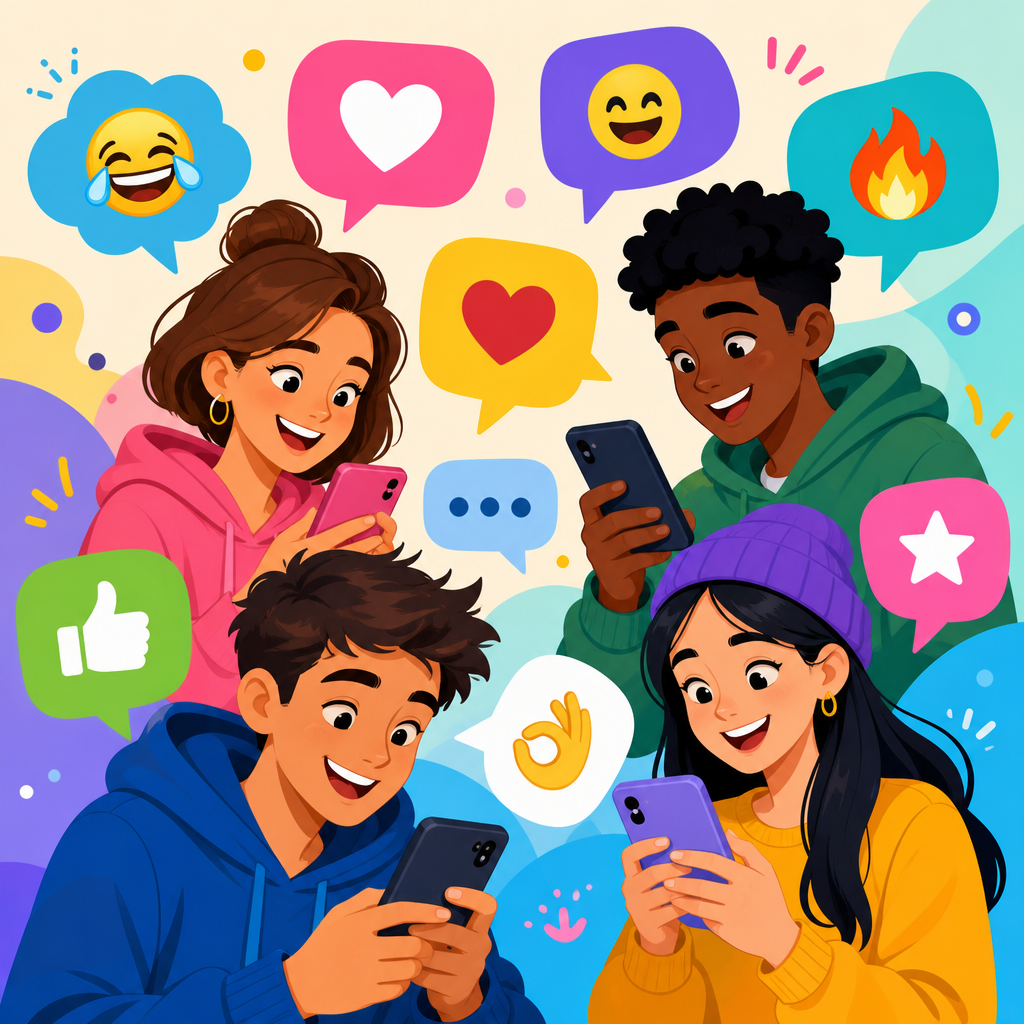
Texting slang and abbreviations in English shape how millions of people communicate every day, especially in messages, social media posts, gaming chats, and workplace platforms. For English learners, this topic matters because real-world communication rarely sounds like a textbook. Native speakers shorten words, use acronyms, drop grammar, add emoji, and rely on context to express tone, speed, and social closeness. If you study English for conversation, travel, work, or online interaction, you need to recognize common texting slang and understand when it is appropriate. In my own work with English learners and international teams, I have seen strong readers struggle with a simple message like “idk, brb, ttyl” because the language is compressed, informal, and highly cultural.
Texting slang refers to informal words, abbreviations, acronyms, clipped spellings, and symbolic expressions used mainly in digital communication. An abbreviation shortens a word, such as “msg” for message. An acronym uses initial letters, such as “LOL” for laughing out loud. Slang includes informal expressions like “ghosting,” “cringe,” or “salty,” which carry meanings beyond dictionary definitions. Some forms began as character-saving shortcuts during the SMS era, when text messages had strict limits. Others grew from internet forums, multiplayer games, Black American language, youth culture, and platform-specific habits on apps like WhatsApp, Instagram, TikTok, Snapchat, and Discord. Today, texting slang is not one fixed vocabulary; it is a living system that changes with age, region, platform, and social group.
Understanding texting slang helps learners do three things better. First, it improves comprehension, so messages from friends, classmates, or coworkers do not feel confusing or rude. Second, it helps you judge tone. A period can feel serious, “haha” can soften criticism, and “k” can sound cold depending on context. Third, it lets you participate naturally without copying expressions blindly. That distinction matters. Effective communication is not about using every trendy term; it is about knowing what a phrase means, what tone it creates, and whether it fits the relationship. This hub article explains the foundations of slang and informal English in texting, the most common categories, practical examples, etiquette rules, and the mistakes learners should avoid.
What texting slang includes and why it changes so quickly
Texting slang in English includes several overlapping categories. The first is abbreviation, where users shorten words for speed: “pls,” “thx,” “ppl,” and “u.” The second is acronym and initialism, such as “OMG,” “FYI,” “TBH,” and “IMO.” The third is phonetic spelling, where words reflect sound rather than standard spelling, as in “gonna,” “wanna,” or “cuz.” The fourth is semantic slang, where an ordinary word develops a new social meaning. For example, “tea” means gossip or interesting information, “shade” means subtle disrespect, and “simp” refers to someone seen as overly attentive in a one-sided romantic way. The fifth is tone marking through repetition, capitalization, punctuation, and emoji, such as “ok,” “okk,” “OK,” and “ok??,” which can all feel different.
These forms change quickly because digital language is driven by community behavior, not by formal rules. A phrase becomes popular when it is useful, funny, identity-marking, or easy to copy. Platforms accelerate this process. TikTok spreads catchphrases through short videos, Twitch and Discord normalize gaming language, and private group chats create their own shorthand. Some expressions stay for decades, including “LOL,” “BTW,” and “ASAP.” Others fade fast. I have watched learners memorize trendy terms only to find that younger speakers now use them ironically or not at all. That is why a smart approach is to learn durable core abbreviations first, then notice newer slang through context instead of forcing it into every conversation.
Another reason texting slang evolves is that it solves practical communication problems. People type on small screens, multitask, and need shortcuts. They also need ways to express tone without facial expression or voice. A message like “Sure” may sound neutral, annoyed, or warm depending on punctuation, timing, and relationship. Texting slang fills those gaps. “Lol” can soften directness. “I’m dead” signals exaggerated amusement. “Nvm” quickly closes a topic. This flexibility is powerful, but it also creates ambiguity, which is why learners must pay attention to situation and speaker intent.
Common texting abbreviations every English learner should know
Some texting abbreviations are so common that learners should treat them as core vocabulary. “LOL” usually signals amusement or friendliness, though it often means “I am softening this message” rather than actual laughter. “BRB” means be right back. “IDK” means I do not know. “TBH” means to be honest. “BTW” means by the way. “FYI” means for your information and is common in school and work messages. “IMO” and “IMHO” mean in my opinion and in my humble opinion. “TTYL” means talk to you later. “NP” means no problem. “NVM” means never mind. “OMG” expresses surprise. “DM” means direct message, used as both noun and verb. “AFK,” from gaming culture, means away from keyboard.
These forms do not all belong in the same situations. “FYI,” “ASAP,” and “ETA” appear in professional contexts because they are efficient and widely understood. “LOL,” “OMG,” and “TTYL” fit casual conversation better. “LMAO” and “ROFL” are much more informal and may sound immature or too strong in many contexts. It is also important to know that capitalization changes perception less than it used to, but full capitals can still feel intense. “omg” is lighter than “OMG,” and “OK” can feel firmer than “ok.” Learners often ask whether they should use periods in texting. In formal messages, yes. In casual one-line replies, a final period can feel distant, especially among younger speakers.
| Abbreviation | Meaning | Typical use | Tone note |
|---|---|---|---|
| IDK | I do not know | Casual chats | Neutral, quick, common |
| BRB | Be right back | Texting, gaming, chat | Signals short absence |
| TBH | To be honest | Opinions, personal comments | Can sound sincere or blunt |
| FYI | For your information | Work, school, logistics | Useful but can sound sharp if context is tense |
| NVM | Never mind | Closing a topic | Efficient, sometimes abrupt |
| TTYL | Talk to you later | Friendly sign-off | Warm and casual |
The safest strategy is recognition before production. Understand these abbreviations first, then use the ones that match your age, context, and relationship. If you work in international business, “FYI,” “ETA,” and “ASAP” are useful. If you are chatting with classmates, “idk,” “lol,” and “brb” may be enough. If you are unsure, write the full phrase. Clear English is always better than awkward slang.
Slang meanings, tone, and hidden social signals
Knowing the dictionary meaning of slang is not enough. You also need to understand pragmatic meaning: what the phrase does socially. Consider “low-key,” which can mean slightly, secretly, or honestly, depending on the sentence. “I’m low-key tired” means somewhat tired. “I low-key love this song” suggests quiet enthusiasm. “Ghosting” means suddenly ending communication without explanation. “Cringe” describes something socially embarrassing or awkward. “Salty” means irritated or bitter. “No cap” means no lie or seriously. “Bet” can mean okay, agreed, or I will do it. “Hits different” means something feels unusually strong or emotionally distinct. These expressions are common online, but each carries generational and cultural signals.
Tone is often communicated through tiny features. “haha,” “hahaha,” and “lol” are not identical. “haha” can feel polite or lightly amused. “hahaha” shows stronger laughter. “lol” often marks friendliness more than humor. A reply of “sure” can feel neutral, but “sure lol” sounds softer, while “sure.” may sound irritated. Repetition also matters. “soooo” adds emphasis, “yesss” shows enthusiasm, and “??” increases urgency or surprise. Emoji can reverse or clarify tone. “That’s crazy 😂” signals laughter, while “That’s crazy…” may suggest concern or disbelief. Many misunderstandings in English texting come from these small choices, not from vocabulary itself.
Social identity matters too. Some slang comes from specific communities and should be learned with respect. Internet culture has borrowed heavily from African American Vernacular English, LGBTQ+ communities, and gaming culture. Terms such as “shade,” “tea,” “slay,” and “period” gained mainstream popularity after long use in particular speech communities. Learners should understand them, but they should also avoid treating culturally rooted slang as costume language. Good language learning includes meaning, origin, and appropriateness.
When texting slang is appropriate and when full English is better
The right choice depends on audience, purpose, and risk. Use casual texting slang with friends, close classmates, gaming partners, or people who already communicate that way. Use more standard English when the relationship is new, the setting is professional, or the message contains important information. If you are messaging a professor, manager, client, landlord, doctor, or immigration office, clarity matters more than speed. “Hi Professor Lee, I may be ten minutes late because my train is delayed” is better than “brb late lol.” In workplace chat tools such as Slack or Microsoft Teams, abbreviations like “FYI,” “EOD,” “ETA,” and “ASAP” may be acceptable, but heavy slang can reduce credibility.
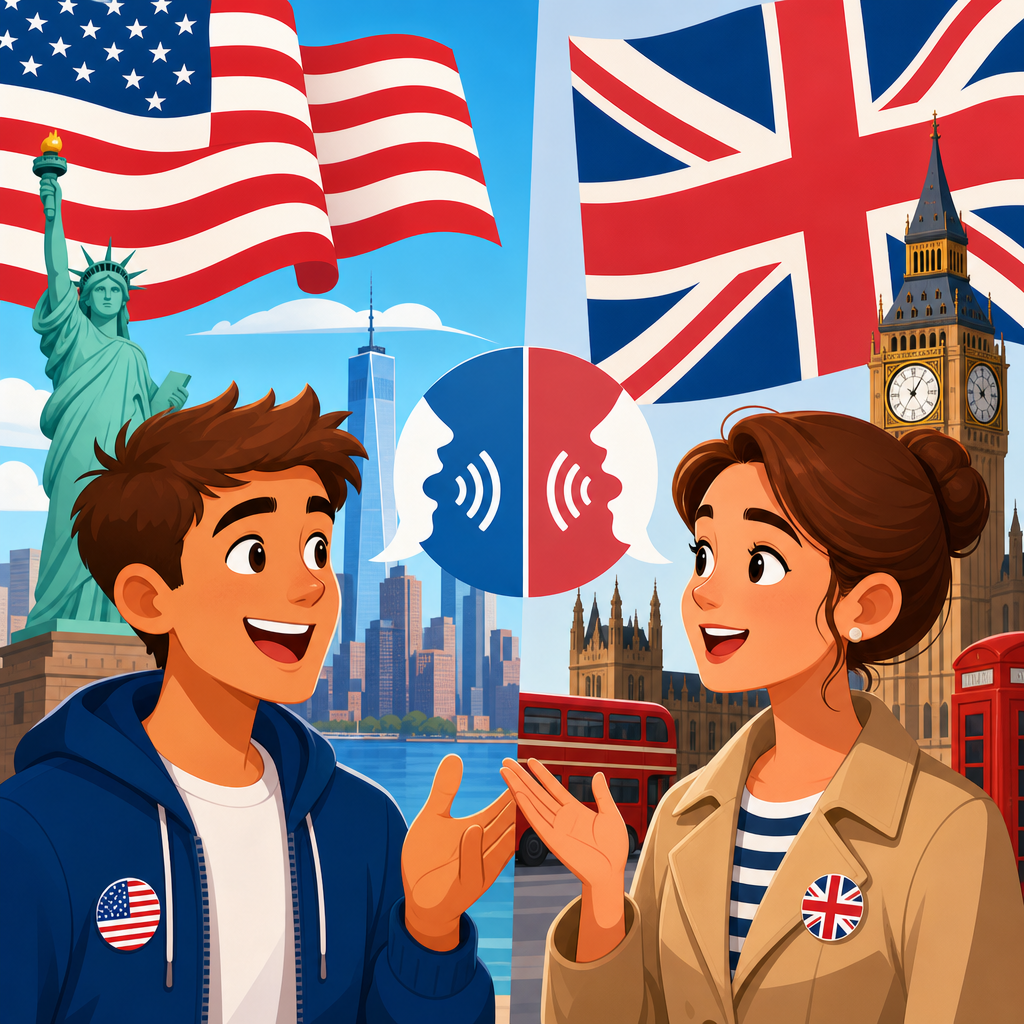
Age and region also matter. Younger speakers may use “fr” for for real, “rn” for right now, or “ngl” for not gonna lie. Older professionals may understand some of these, but not all. British, American, Australian, and Canadian texting habits overlap, yet they are not identical. “Cheers” is common in British and Australian messaging. American texters may rely more on “thanks” or “appreciate it.” Some abbreviations, like “x” for a kiss at the end of a message, are much more common in British texting than in American English. Learners should pay attention to the variety of English they interact with most often.
A practical rule is this: the more serious the consequence of misunderstanding, the less slang you should use. For logistics, deadlines, money, health, legal issues, or conflict, write clearly and completely. Informality works best when the relationship is secure and the stakes are low.
How ESL learners can understand and use informal English naturally
The best way to learn texting slang is through pattern recognition, not memorization lists alone. Start by collecting expressions you repeatedly see in authentic contexts. Group them by function: greeting, agreement, laughter, delay, uncertainty, apology, and closing. For example, agreement includes “sure,” “sounds good,” “bet,” and “works for me.” Delay includes “brb,” “one sec,” and “afk.” Uncertainty includes “idk,” “maybe,” and “not sure tbh.” This approach helps you notice what speakers are doing, not just what they are saying. In my experience, learners become more confident when they practice rewriting the same message in three levels: formal, neutral, and casual.
Input quality matters. Read message threads from people you trust, subtitles from contemporary shows, moderated language-learning communities, and reputable learner dictionaries such as Cambridge Dictionary and Merriam-Webster for new slang entries. Urban Dictionary can help identify a term, but it is unreliable as a final source because definitions are user-generated and often exaggerated. Corpus-based tools and usage examples are safer. If you see a phrase repeatedly across platforms, it is probably current. If you only see it in one viral post, it may be temporary or niche.
Production should be conservative at first. Use high-frequency, low-risk items like “lol,” “idk,” “brb,” and “thx” only after you have seen how others around you use them. Avoid trying highly trendy slang in professional or cross-cultural settings. Also, do not assume online slang works in spoken English the same way. Some terms cross over easily, such as “cringe” and “ghosting.” Others, such as “idk” or “brb,” are far more natural in writing than in speech. Real fluency comes from choosing the right register, not from sounding maximally informal.
Common mistakes and misunderstandings to avoid
The biggest mistake is copying slang without understanding tone. A learner may think “k” simply means okay, but in many conversations it can sound cold or dismissive. Another common error is using internet slang in formal messages. Writing “Hey prof, idk if u saw my paper lol” can damage your image even if the grammar is understandable. Learners also misread friendly softeners. “lol” at the end of a sentence does not always mean the person finds something funny; often it reduces pressure. Without that awareness, messages can seem insincere or confusing.
Another misunderstanding involves generational drift. Some abbreviations that were common in early texting, such as “gr8,” “l8r,” or “b4,” are now far less common in many groups. Using them may make your English sound dated. Likewise, some slang terms become ironic. People may say “bestie” to a close friend, but also jokingly to a stranger online. Context decides meaning. Finally, do not forget privacy and permanence. Informal digital language feels temporary, yet screenshots last. A smart communicator adapts style without losing professionalism.
Texting slang and abbreviations in English are essential for understanding real-world informal communication, but effective use depends on context, tone, and audience. The key lesson is not to memorize every trendy phrase. Learn the stable basics, notice how tone changes through punctuation and repetition, and use slang more carefully when the stakes are high. For ESL learners, this knowledge makes chats, social media, and everyday messages far easier to follow, while also helping you avoid sounding rude, childish, or out of place. If you want to build practical fluency in slang and informal English, start by saving common expressions you see this week, then rewrite your own messages in formal, neutral, and casual versions until the differences feel natural.
Frequently Asked Questions
1. What is texting slang, and why is it important for English learners?
Texting slang is the informal language people use in digital communication such as text messages, social media comments, gaming chats, and workplace messaging apps. It includes abbreviations like “brb” for “be right back,” acronyms like “lol” for “laugh out loud,” shortened words like “pls” for “please,” and expressions that rely on tone, context, punctuation, or emoji. In everyday English, especially online, people often communicate faster and more casually than they do in formal writing. That means learners who only study textbook English can understand grammar rules but still feel confused in real conversations on screens.
This matters because modern communication is not just about correct sentences. It is also about speed, personality, relationship, and tone. A message like “ok” can feel neutral, while “okk,” “ok lol,” or “okayyy” can suggest very different emotions. Texting slang helps people sound friendly, relaxed, humorous, efficient, or socially connected. For English learners, understanding these forms improves reading comprehension in real-life situations and helps avoid misunderstandings. You do not need to use every slang term yourself, but recognizing common abbreviations and digital expressions will make it much easier to follow authentic English in daily life.
2. What are the most common English texting abbreviations and acronyms I should learn first?
The best place to start is with the most widely used abbreviations that appear across many platforms and age groups. Examples include “lol” meaning “laugh out loud,” though it often simply softens the tone rather than showing actual laughter; “brb” meaning “be right back”; “omg” meaning “oh my God” or “oh my gosh”; “idk” meaning “I don’t know”; “imo” meaning “in my opinion”; “tbh” meaning “to be honest”; “btw” meaning “by the way”; “fyi” meaning “for your information”; “np” meaning “no problem”; and “thx” or “ty” meaning “thanks” or “thank you.” You may also see “dm” for direct message, “irl” for in real life, and “rn” for right now.
It is useful to learn not only the dictionary meaning, but also the social meaning. For example, “lol” does not always mean someone is laughing strongly. Often it makes a message sound lighter, friendlier, or less serious. “Tbh” can introduce honesty, but it may also signal criticism depending on context. “IDK” can sound casual and normal with friends, but too informal in professional situations. As a learner, focus first on recognizing these expressions when reading messages. Then pay attention to where they are used: friends, gaming groups, social posts, or office chats. This helps you build practical digital fluency instead of memorizing lists without understanding how real people actually use them.
3. Is it okay to use texting slang in professional or workplace English?
Yes, sometimes, but it depends heavily on the platform, the company culture, the relationship between coworkers, and the level of formality expected. In many modern workplaces, especially on internal chat tools like Slack, Teams, or similar platforms, people often use light abbreviations such as “FYI,” “BTW,” “ETA,” “ASAP,” or “NP.” These are generally accepted because they save time and are widely understood. However, there is a big difference between efficient workplace shorthand and highly casual internet slang. Expressions like “lol,” “u,” “lmk,” or “idk” may be fine in quick informal chats with close teammates, but they may look unprofessional in emails, reports, client communication, or messages to managers you do not know well.
A good rule is to match the tone of the environment. If your colleagues write full sentences and use standard punctuation, do the same. If the team uses short, friendly chat-style updates, you can usually be a little more relaxed. When in doubt, choose clear standard English. This is especially important for English learners because using the wrong level of informality can create a stronger impression than a grammar mistake. Professional communication should always prioritize clarity, respect, and audience awareness. Texting slang is useful, but knowing when not to use it is just as important as knowing what it means.
4. How can I understand the tone of texting slang, punctuation, and emoji in English messages?
Tone in digital English is often carried by small details rather than long explanations. Texting slang, repeated letters, punctuation choices, capitalization, and emoji all work together to show emotion. For example, “sure” may sound neutral, “sure!” can sound warm and positive, “sure…” may sound doubtful or annoyed, and “SURE” can look angry or strongly emphatic. A message like “thanks” feels straightforward, while “thanks!!” feels more enthusiastic. Similarly, “lol,” “haha,” and a smiling emoji can soften a statement so it sounds friendlier or less blunt. Without these signals, short messages can sometimes seem cold even when no rudeness is intended.
Context is the key. The same abbreviation can have different effects depending on who is speaking and what came before. “K” may look efficient to one person but rude or dismissive to another. “Lmao” may show strong amusement in one chat and just playful exaggeration in another. Emoji can also change meaning depending on age group, platform, or social circle. The best strategy is to observe real conversations closely. Notice how native speakers respond, how humor is signaled, and how people adjust tone for friends versus coworkers. Over time, you will see patterns. If you are unsure about the tone of a message, avoid overreacting to one word alone and read the whole exchange, including timing, punctuation, and relationship between the speakers.
5. What is the best way for English learners to practice texting slang without sounding unnatural?
The most effective approach is to start with comprehension, not production. First, learn to recognize common abbreviations, internet expressions, and tone markers in authentic content such as social media posts, comment sections, messaging screenshots, gaming streams, and casual online videos. Keep a personal list of terms you see often, and write down what they mean in context, not just in isolation. For example, note that “lol” may mean humor, friendliness, awkwardness, or a softer tone. This kind of observation helps you understand living English as it is actually used, rather than as a fixed vocabulary list.
When you begin using texting slang yourself, use a little, not a lot. Start with very common, low-risk forms such as “btw,” “idk,” “omg,” “brb,” or “np” in clearly informal conversations. Avoid trying to copy every trend, because slang changes quickly and can sound forced if it does not match your age, personality, or community. It is also smart to mirror the other person’s style. If they write in complete sentences, respond similarly. If they use casual abbreviations and emoji, you can probably relax a bit too. The goal is not to sound like a stereotype of a native speaker. The goal is to communicate naturally, clearly, and appropriately. The more authentic English you read and the more carefully you notice usage patterns, the more confident and accurate your own digital communication will become.