English slang from movies and shows shapes how millions of learners hear, repeat, and eventually use real-world conversational English. In classrooms, I have seen students understand textbook grammar yet freeze when a character says, “No way,” “I’m in,” or “That’s awkward.” Pop culture English refers to the informal vocabulary, idioms, catchphrases, tone, and social cues that appear in film, streaming series, sitcoms, reality TV, and online fan conversations around them. It matters because entertainment media often delivers the first exposure to natural speech speed, humor, sarcasm, regional accents, and generational slang. For ESL learners, this language can be both a shortcut to better listening and a trap if used without context. Some expressions are current, some are dated, some are playful, and some sound rude outside the right setting. A strong grasp of slang from screen dialogue helps learners follow plots, join conversations, understand memes, and sound less robotic. This hub explains what pop culture English includes, how movie and TV slang spreads, which expressions travel well, which ones require caution, and how learners can study them in a practical way.
What counts as pop culture English?
Pop culture English is the informal language people absorb from entertainment and the conversation around entertainment. It includes slang such as “chill,” “cringe,” “epic,” and “ghosted”; conversational shortcuts such as “kinda,” “gonna,” and “you bet”; reactions such as “Seriously?” and “I can’t even”; and quote-driven phrases that become cultural shorthand. In practice, it also includes discourse markers, timing, and attitude. A line like “We’re good” can mean “the problem is solved,” “don’t worry,” or “you are forgiven,” depending on delivery. Learners often focus on vocabulary alone, but screen English teaches pragmatics: who can say what, to whom, and in which situation.
Movies and shows are especially powerful because they package language with emotion, plot, and character identity. A medical drama teaches workplace urgency, a teen comedy teaches peer-group slang, and a police procedural teaches high-pressure commands. This subtopic sits inside cultural English because meaning depends on shared references. If someone says “spoiler alert,” “plot twist,” or “main character energy,” they are using entertainment-born language to describe everyday life. That is why this hub matters: understanding slang from movies and shows is not just about copying lines. It is about recognizing register, reading social context, and choosing expressions that fit modern spoken English.
How movie and TV slang spreads into everyday speech
Slang enters common use through repetition, emotional impact, and social imitation. A memorable line from a hit show gets repeated on TikTok, quoted in group chats, clipped into memes, and reused by podcasters and streamers. Over time, the original source matters less than the communicative function. I have watched learners encounter “binge-watch” as a streaming-era habit, not as a dictionary item, and then hear it everywhere from office small talk to marketing campaigns. The same pattern applies to “cringe,” “awkward,” “sus,” and “iconic.” Entertainment does not invent every term, but it accelerates adoption and gives words a recognizable tone.
Streaming platforms intensified this process. Global releases mean a phrase from one series can spread across countries within days. Subtitles and dubbing also matter. When subtitles choose a concise slang equivalent, learners get an accessible first mapping between natural speech and meaning. Fan communities reinforce usage by debating scenes, ranking characters, and circulating catchphrases. This creates what teachers should treat as a living corpus of informal English. If learners understand how phrases travel, they become better at judging freshness, reach, and risk. A line used in a 1990s sitcom may still be understood today, but it may signal an older style. A phrase lifted from a current teen drama may sound natural among friends yet inappropriate in a job interview.
Common categories of slang learners hear on screen
Screen slang falls into recurring categories, and grouping it this way makes it easier to learn. Reaction slang includes “No kidding,” “Fair enough,” “My bad,” and “You wish.” Approval slang includes “solid,” “awesome,” “legit,” and “I’m here for it.” Disapproval slang includes “lame,” “messy,” “sketchy,” and “trash,” though some of these can sound harsh. Relationship language includes “seeing someone,” “hook up,” “friend zone,” and “ghost.” Conflict language includes “back off,” “cut it out,” “not cool,” and “get over it.” Hype language includes “game changer,” “next level,” and “low-key” or “high-key,” which express intensity in nuanced ways.
Another useful category is softening language, because it appears constantly in dialogue and keeps speech natural. Characters say “kind of,” “a little,” “pretty much,” and “I guess” to reduce force. There is also stance language, where speakers position themselves: “I’m not judging,” “To be fair,” “Honestly,” and “For real.” These are not always listed as slang, yet they are central to pop culture English because they shape conversational style. Learners who master these patterns sound more fluent than learners who only memorize dramatic catchphrases.
| Category | Example | Typical meaning | Use with caution? |
|---|---|---|---|
| Reaction | My bad | I made a mistake | No, informal but common |
| Approval | Legit | Real, good, credible | Yes, very casual |
| Disapproval | Sketchy | Suspicious, unsafe | Yes, tone can sound judgmental |
| Relationship | Ghosted | Suddenly ignored someone | No, widely understood |
| Conflict | Back off | Stop pressuring me | Yes, direct and sharp |
| Hype | Iconic | Memorable, culturally admired | No, but often overused |
What movies and shows teach beyond vocabulary
The biggest learning value is not the word list. It is the full package of pronunciation, stress, gesture, and social meaning. When a character mutters “I’m good,” the phrase can decline an offer, end a conversation, or hide discomfort. The learner who only knows the literal meaning misses the interaction. Sitcoms are useful because repeated settings make patterns visible: friends interrupt each other, hedge opinions, tease affectionately, and repair misunderstandings quickly. Crime shows highlight command language and urgency. Reality TV reveals disagreement, emphasis, and informal opinion markers, though it often exaggerates conflict for entertainment.
Shows also reveal regional and social variation. American high school dramas, British comedies, and Australian reality series use different slang inventories and rhythms. Even inside the United States, urban slang, Southern speech patterns, Black English influence, and professional jargon all appear differently. This is where careful teaching matters. Not every phrase belongs to every speaker. In my own work with advanced learners, the fastest gains come when we pair an expression with speaker profile, setting, and intention. “You guys” may sound friendly in one context and exclusionary in another. “Dude” can signal warmth, surprise, or irritation depending on intonation. Screen dialogue is useful precisely because it shows these variables in action.
Popular expressions that travel well across contexts
Some slang from movies and shows is widely understood and relatively safe for learners. “My bad” is a light apology. “No worries” softens reassurance. “I’m into it” expresses interest. “That works” accepts a plan. “Fair enough” acknowledges another person’s point. “Sounds good” confirms agreement. “Kind of” and “pretty much” make speech less absolute. “Binge-watch” describes consuming many episodes in one period, and it is standard enough to appear in major dictionaries. “Spoiler” and “plot twist” moved from entertainment talk into general conversation because people use them metaphorically in daily life.
These expressions travel well because they are common, flexible, and not tied to one narrow age group. They also perform clear social functions: apologizing, agreeing, reacting, and evaluating. If a learner wants the highest return on effort, this is the right starting point. Practice them in small dialogues instead of isolation. For example: “Want to start at eight?” “Sounds good.” Or: “Sorry I missed your text.” “No worries.” Short exchanges like these build automaticity and help learners sound natural without imitating a specific character too closely.
Slang that can cause problems for ESL learners
Other expressions need careful handling because they age quickly, depend on identity, or carry a stronger tone than learners realize. Sarcastic lines are especially risky. A character may say “Great job” to mean the opposite, and the viewer understands through facial expression and situation. Without that support, the phrase can misfire. Insults are another danger zone. Words like “jerk,” “creep,” “loser,” or stronger profanity may appear constantly on screen, but using them in real life can damage relationships fast. Intensifiers such as “literally” and “totally” are common, yet overuse makes speech sound imitative rather than fluent.
Learners should also watch for dated language. Older sitcoms and action films can be excellent listening practice, but some slang has clearly shifted. “Cool” remains durable; many other terms do not. There is also the issue of cultural ownership. Some expressions originate in specific communities, particularly African American speech communities, LGBTQ+ communities, or youth subcultures. These phrases often spread widely online, but that does not erase their origins or guarantee that every learner can use them naturally. The safe rule is simple: understand more than you actively use. Comprehension should grow faster than production.
How to study pop culture English effectively
The best method is selective, repeated exposure. Do not try to learn slang by watching passively for hours. Choose one show with contemporary dialogue, short scenes, and recurring relationships. Watch a scene once for meaning, once with subtitles, and once focusing on one target feature: apologies, agreement, disagreement, flirting, or sarcasm. Write down the exact line, the situation, and the speaker’s intention. Then build a usable example from your own life. This turns borrowed language into personal language.
Transcript tools and subtitle platforms make this easier. YouTube clips, Netflix subtitles, Language Reactor, YouGlish, and corpora such as COCA can help confirm frequency and context. A learner who hears “That’s on me” in a series can check whether it appears across interviews, podcasts, and everyday examples. I recommend keeping a three-part notebook: expression, plain meaning, and use limits. For “Back off,” the note might read: “Meaning: stop pressuring me. Tone: direct, sometimes aggressive. Use: conflict only.” This prevents the common mistake of treating every memorable line as everyday small talk.
Building a hub around pop culture English
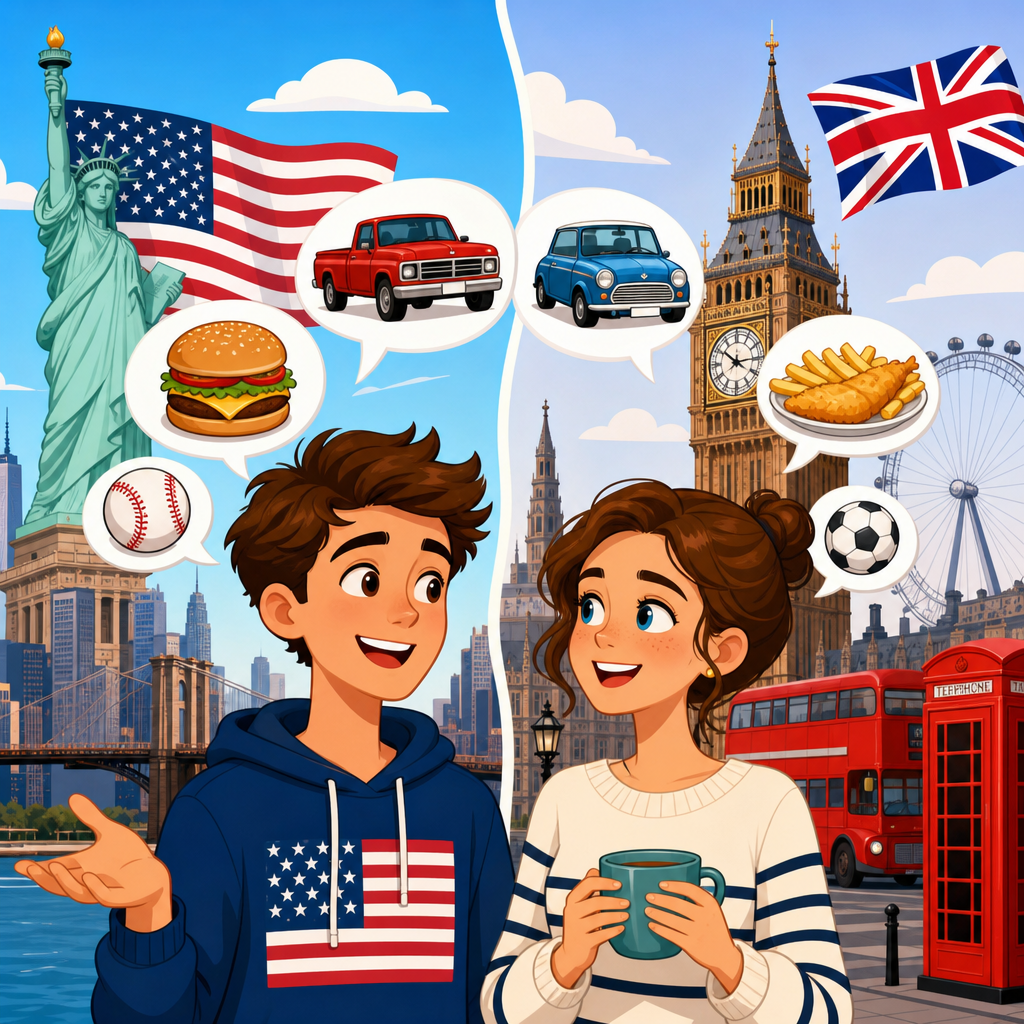
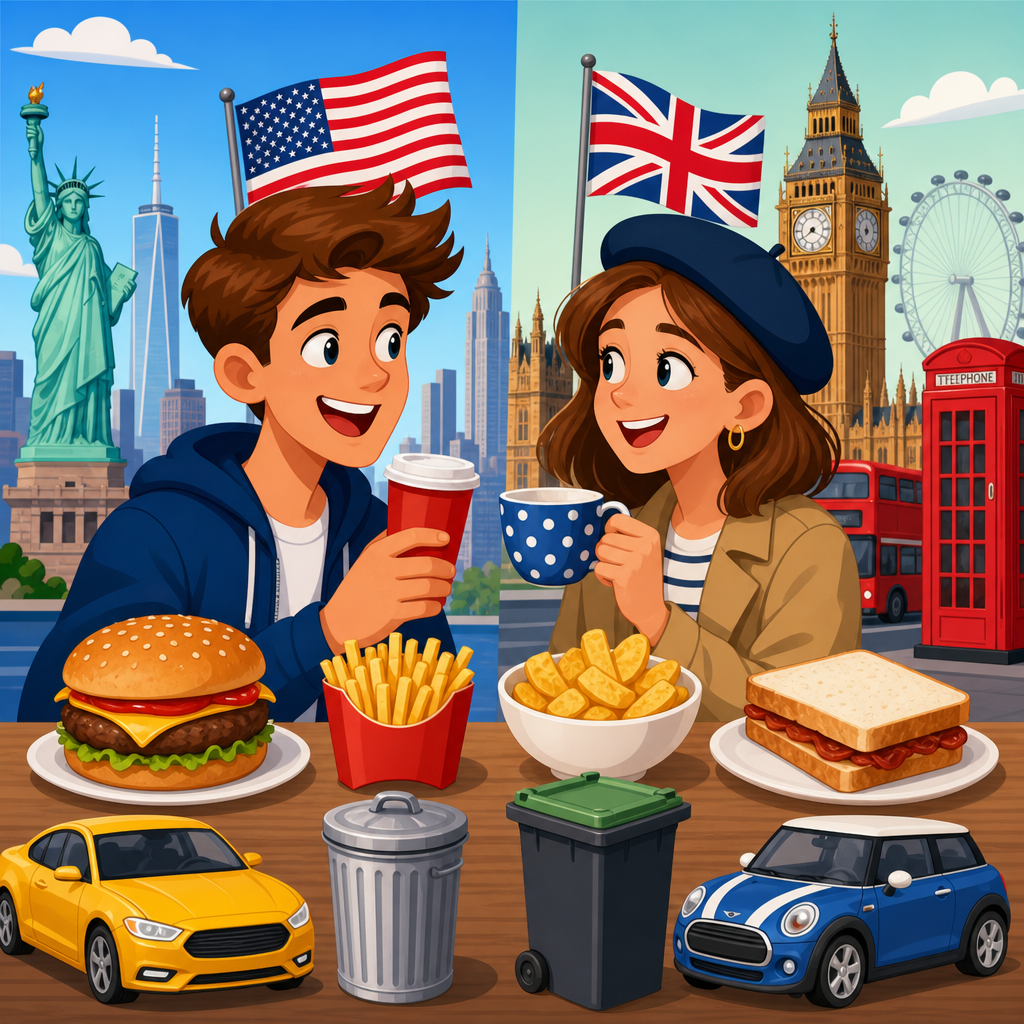
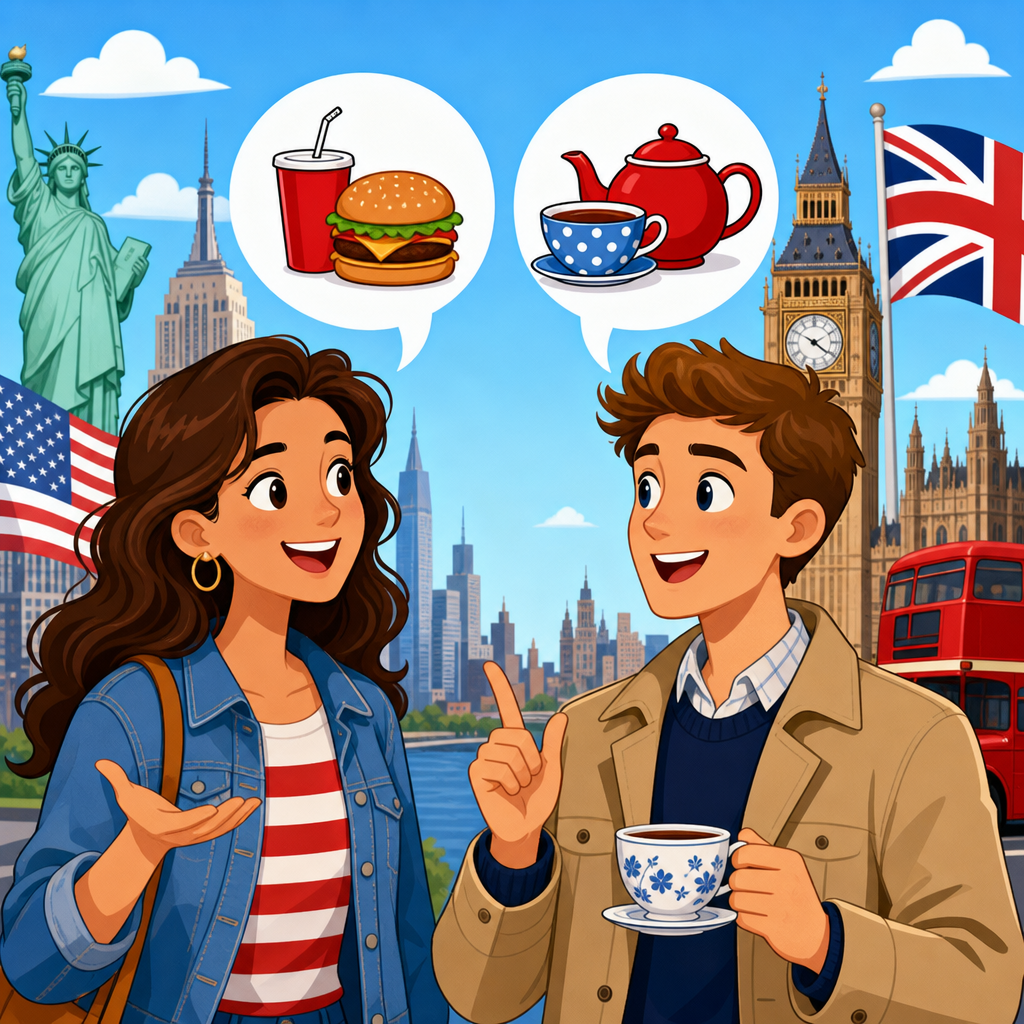
As a hub topic inside ESL cultural English and real-world usage, pop culture English connects naturally to several supporting pages. Learners benefit from separate deep dives on TV idioms, movie quotes people actually say, texting slang, internet abbreviations, meme vocabulary, sarcasm, phrasal verbs in sitcoms, and regional slang in American versus British media. Another useful cluster covers genre-specific language: workplace comedies, crime dramas, teen shows, reality TV, and superhero films. Each subtopic answers a distinct learner question while reinforcing the same core skill: understanding authentic informal English in context.
This hub should guide learners toward action. Start with common, low-risk expressions. Move next to pragmatic features such as tone and implication. Then branch into specialized areas like humor, dating language, fandom talk, and online discourse around shows. Internal connections across these topics matter because no single article can cover all of pop culture English in sufficient depth. What this page provides is the framework: entertainment language is useful when learners treat it as contextual, evolving, and socially meaningful rather than as a bag of cool phrases to copy.
English slang from movies and shows is one of the most practical entry points into natural conversation because it combines vocabulary, pronunciation, emotion, and cultural context in one place. The key lesson is not to memorize catchphrases blindly. Learn what an expression means, who uses it, how it sounds, and when it fits. Safe, flexible phrases such as “my bad,” “fair enough,” and “sounds good” can improve everyday fluency quickly. Higher-risk slang, sarcasm, and identity-linked expressions require more caution. The smartest learners build strong comprehension first, then adopt only the language that matches their goals and environment.
If you treat pop culture English as a structured study area, not just entertainment, movies and shows become a powerful language lab. Use one series, one scene, and one communication function at a time. Check examples with subtitles, transcripts, and trusted reference tools. Notice tone as much as words. From there, explore the wider subtopics connected to this hub, including meme English, TV idioms, fandom language, and texting slang. That approach will help you understand real conversations faster and use informal English with far more confidence. Pick one show you already enjoy, study a short scene today, and start building a slang bank you can actually use.
Frequently Asked Questions
What does “English slang from movies and shows” actually include?
English slang from movies and shows includes much more than a few trendy words. It covers informal vocabulary, idioms, catchphrases, shortened expressions, reactions, tone patterns, and even the social meaning behind how something is said. For example, a line like “No way” can express surprise, disbelief, excitement, or refusal depending on the speaker’s tone and the situation. A phrase like “I’m in” means “I agree to join,” while “That’s awkward” often comments on a socially uncomfortable moment rather than describing simple embarrassment. In pop culture, slang also includes playful exaggerations, sarcasm, teasing, and references that viewers repeat long after an episode ends.
It is helpful to think of this kind of English as living, social language. Films, sitcoms, streaming dramas, reality TV, and online fan communities all contribute to it. Characters do not just use grammar; they show how native and fluent speakers soften statements, joke with friends, react quickly, and express identity. That is why learners who understand textbook English can still feel lost when dialogue becomes informal. The language in entertainment often reflects how people actually speak in casual settings, including incomplete sentences, emotional emphasis, and expressions that only make sense in context.
Why is learning slang from movies and TV useful for English learners?
Learning slang from movies and TV is useful because it helps learners move from understanding English on paper to following English in real conversations. Textbooks usually focus on correctness, structure, and predictable examples. Entertainment, by contrast, exposes learners to spontaneous reactions, conversational shortcuts, humor, and cultural references. When students hear phrases such as “Give me a break,” “You’ve got this,” “My bad,” or “I can’t deal,” they begin to recognize the rhythm and emotional force of everyday English. That recognition builds listening confidence and reduces the feeling of freezing when real people speak naturally.
It also improves pragmatic competence, which means understanding what language is appropriate in a specific situation. A learner may know the dictionary meaning of words but still not know when an expression sounds friendly, rude, flirtatious, ironic, casual, or outdated. Movies and shows provide context: who is speaking, what their relationship is, how the line is delivered, and what response follows. That combination helps learners understand not just vocabulary, but social meaning. Over time, this makes speaking more natural, helps with humor and small talk, and supports better comprehension of online content, interviews, podcasts, memes, and everyday conversations.
Can I use the slang I hear in movies and shows in real life?
Yes, but carefully. Not all slang is equally useful, current, or appropriate across situations. Some expressions from movies and shows are widely understood and safe in casual conversation, especially simple reactions like “No worries,” “I’m kidding,” “Sounds good,” or “That makes sense.” Others may be tied to a specific region, age group, social identity, or time period. Some expressions are exaggerated for comedic effect, while others sound natural only when used by a certain character type. If a line is memorable on screen, that does not automatically mean it will sound normal in everyday speech.
The best approach is to notice three things before using slang yourself: context, speaker, and frequency. Ask where the phrase appears, who says it, and whether you hear it repeatedly across different sources. If a phrase shows up in multiple shows, online conversations, and real interviews, it is more likely to be current and broadly useful. Also pay close attention to tone. The same words can sound friendly or insulting depending on delivery. As a rule, use slang first in low-risk casual settings, and avoid using unfamiliar expressions in professional, academic, or formal communication until you are confident about their meaning and social effect.
How can I learn slang from movies and shows without picking up the wrong meaning?
The most effective way is to study slang in context rather than memorizing isolated lists. When you hear a phrase, pause and ask what is happening in the scene. Is the speaker excited, annoyed, embarrassed, joking, or being sarcastic? Who are they talking to: a friend, a coworker, a stranger, or a romantic partner? What happens immediately after the line is spoken? These clues often explain the real meaning better than a dictionary can. For instance, “Seriously?” may express genuine concern, frustration, disbelief, or playful annoyance depending on facial expression and tone.
It also helps to verify slang across multiple sources. Turn on subtitles, write down the expression, and compare how it is used in other shows, interviews, short clips, or reputable learner resources. Keep a small slang notebook with the phrase, the exact scene, the tone, and one safe example sentence of your own. Repeat the line aloud to practice pronunciation and rhythm, because slang often sounds natural only when the stress pattern is right. Most importantly, do not assume direct translation into your first language. Many slang expressions carry emotional or cultural meanings that go beyond literal words, so checking real usage is essential.
What are the biggest mistakes learners make with pop culture English?
One common mistake is assuming that understanding a phrase means being ready to use it. Learners often hear a catchy expression, remember it, and then use it in the wrong setting. A phrase that sounds funny between close friends may sound too blunt in class or at work. Another mistake is copying dialogue too literally. Screenwriters often make lines sharper, funnier, or more dramatic than everyday speech. That can be helpful for learning, but it can also lead learners to sound overly intense, sarcastic, or unnatural if they repeat lines without understanding the social context behind them.
A second major mistake is ignoring tone, register, and cultural nuance. Slang is not only about vocabulary; it is about relationship, attitude, timing, and identity. Some learners focus on the words and miss whether the phrase is playful, dismissive, affectionate, or rude. Others rely on old movie quotes or outdated TV slang that native speakers no longer use. The smartest strategy is selective adoption: learn to recognize a wide range of pop culture English, but actively use only the expressions that are current, clear, and appropriate for your own speaking style. That way, movies and shows become a powerful tool for real-world fluency rather than a source of confusion.